The talking-to-camera reel format
A talking-to-camera reel is one person looking into the lens and saying one thing worth hearing. It opens with a hook line, gives one reason, and ends with a call to action. It is the simplest viral format, and it is one of the easiest to remake for a small business.
Structure: One person speaks to camera (selfie, car, kitchen or desk): a hook line, one reason, a call to action. Hook: Say the problem out loud in the first 2 seconds.
Viral examples of this format
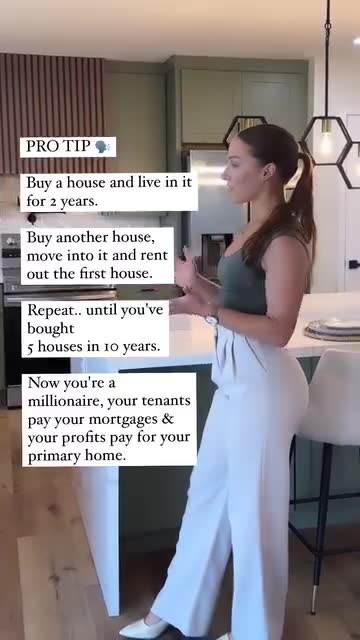
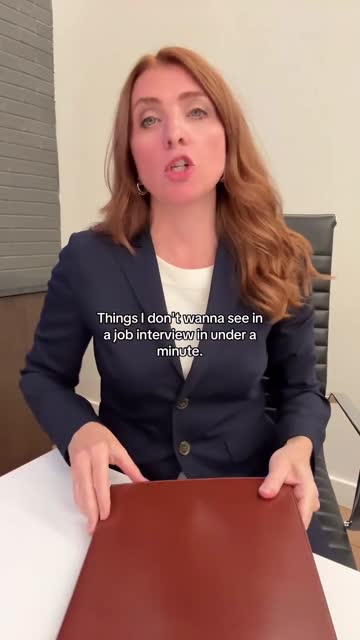
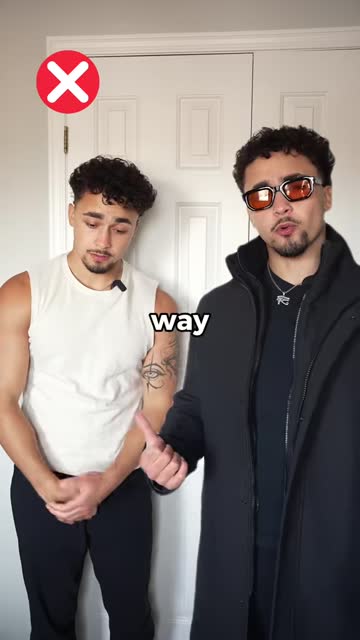

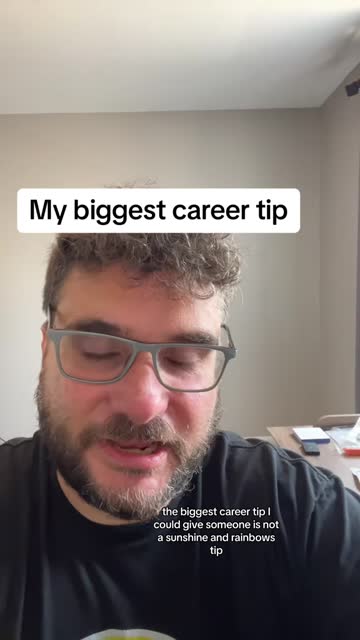
A talking-to-camera reel is one person looking into the lens and saying one thing worth hearing. It opens with a hook line, gives one reason, and ends with a call to action. It is the simplest viral format, and it is one of the easiest to remake for a small business.
What the format is
Picture someone in their car, at a kitchen counter or behind a desk, phone propped up, talking straight to you. There is usually no music under the voice, little or no B-roll, and big captions on screen. The whole reel rests on what the person says in the first two seconds and whether the rest pays it off.
Why it spreads
- It feels like a friend talking. Eye contact and a casual setting read as advice, not an ad.
- It is easy to follow. One speaker, one idea. Viewers don't have to work to keep up.
- Captions carry it without sound. Many people scroll with the sound off, and word-timed captions keep them reading.
- It invites replies. A clear opinion makes people comment to agree or argue, and comments help a reel travel.
Shot-by-shot structure (a 15-second version)
- 0-2 s: Hook line, close framing, eyes on the lens. Big caption with the key words.
- 2-5 s: The setup. Why this matters to the viewer, in one sentence.
- 5-11 s: The one reason or tip. A slight change of framing (a small push-in or a jump cut) keeps it moving.
- 11-15 s: Call to action. Tell people what to do next: follow, comment, tap the link, visit the shop.
Longer versions (30 or 45 seconds) add a second reason or a short example, but they keep one speaker and one idea.
Hook ideas
Use these as starting points and swap in your own product or service:
- "Stop doing this before you call a plumber."
- "Here's what I'd ask before booking any photographer."
- "Nobody tells you this about buying your first couch."
- "If your coffee tastes bitter, check this first."
- "This is the question I get every single week."
Test your opening line with the free hook checker before you commit to it.
Which businesses it suits
Almost any business that can teach one useful thing. It works well for coaches and consultants, real estate agents, home service pros, salons, local shops and founders sharing a lesson. Browse examples in coaching and mindset, business and founders and real estate.
How to remake it with Clone Viral Videos
- Find a talking-to-camera reel you like in the template library or paste a public link. Run it through the free viral reel analyzer first if you want to see its structure.
- Start a free preview. You get the storyboard, a script written for your brand and one preview frame.
- Pick one of our 120 AI actors and a voice. The actor delivers your script in the same rhythm and framing as the reference. The original person, voice and words are never reused.
- Check the script, edit any line, and make the full clone. Your first full clone costs $1, and plans are on the pricing page.
The finished reel carries an AI-generated label, and captions are drawn by code so they stay sharp. See other formats in the formats hub.
Mistakes to avoid
- A slow start. If the first line is "Hi guys, so today...", rewrite it. The hook has to be the first thing said.
- Two ideas in one reel. Split them into two clones.
- Claims you can't back. Our script checks block health, income and "expert" claims, and you are responsible for every claim you keep.
- Presenting the actor as you or a customer. The AI actor is a presenter, not a real person with a story.
- Copying the creator's catchphrase. Keep the format. Write your own words.
Questions
Do I have to appear on camera?
No. An AI actor from our library speaks your script. You never film anything, and nobody's real face or voice is used.
How long should a talking-to-camera reel be?
Fifteen seconds is a good default for one tip. Go to 30 seconds only if you have a second point or a short example that justifies the extra time.
Can I keep the original creator's script?
No. We write a new script from your brand facts and flag any run of five or more words that matches the reference. Only the format carries over.