The problem-solution reel format
A problem-solution reel shows a problem the viewer knows, turns on one moment, and then shows the fix. Problem, turn, fix. It is one of the oldest ad structures there is, and it still works on short video because the first few seconds feel familiar to the right viewer.
Structure: Two states and one turn: the annoying problem, then the fix. Hook: Name the problem the viewer has right now.
Viral examples of this format
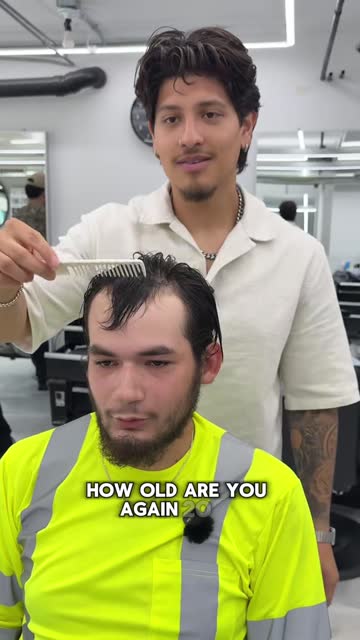
A problem-solution reel shows a problem the viewer knows, turns on one moment, and then shows the fix. Problem, turn, fix. It is one of the oldest ad structures there is, and it still works on short video because the first few seconds feel familiar to the right viewer.
What the format is
The reel opens on the annoying moment: tangled cables, a messy entryway, a cold cup of coffee, a lawn full of leaves. A presenter or a caption names it. Then comes the turn, often a simple "So I tried this" or a hard cut. The second half shows the fix in action and ends with where to get it.
Why it spreads
- Recognition stops the scroll. When viewers see their own problem, they want to know the answer.
- The turn creates a small reward. The switch from mess to fix is satisfying.
- It keeps the product in context. The product appears as the answer to something, not as a random object.
- It is easy to adapt. The same skeleton fits a cleaning spray, a storage box or a plumbing service.
Shot-by-shot structure (a 15-second version)
- 0-3 s: The problem. A shot of the frustrating moment with a caption or a spoken line that names it.
- 3-5 s: A second beat of the problem, to make it feel real (another angle, or the presenter reacting).
- 5-6 s: The turn. A hard cut, a whoosh of the camera, or a line like "Here's what fixed it."
- 6-12 s: The fix. Close-ups of the product or service doing its job, step by step.
- 12-15 s: The calm "after" moment and the call to action.
Hook ideas
- "If your entryway looks like this every evening..."
- "Tired of cables sliding behind the desk?"
- "This is what happens when you skip gutter cleaning."
- "Your cast iron shouldn't look like this."
- "Every pet owner knows this couch problem."
Test the opening with the free hook checker.
Which businesses it suits
Products that fix an everyday nuisance: home goods, cleaning, organization, pet products, car accessories. Service businesses fit too: cleaners, handymen, landscapers, pest control and detailers. Browse home services, products and shopping and marketing and UGC ads.
How to remake it with Clone Viral Videos
- Choose a problem-solution reel in the template library, or paste a public link. The free viral reel analyzer shows where the turn happens.
- Start a free preview. You see the storyboard, a new script for your product and one preview frame.
- The fix shots are made from your own product photos, and the presenter is an AI actor. None of the original footage, audio or faces is used.
- Make the full clone when it reads right. Your first full clone is $1, and plans are on pricing.
See the other structures in the formats hub. For a visible transformation, compare it with before-after.
Mistakes to avoid
- A problem that's too vague. "Life is busy" is not a problem anyone can see. Pick one specific moment.
- Overpromising the fix. Show what the product really does. Our script checks block health, weight-loss and income promises, and unbacked results claims are your responsibility.
- A late turn. If the fix doesn't appear until second 12, most viewers never see it.
- Mocking the viewer. Make the problem relatable, not embarrassing.
- A different product in the fix than in the call to action. Keep it one product, start to end.
Questions
What's the difference between problem-solution and before-after?
Problem-solution focuses on the moment of frustration and how the product fixes it. Before-after focuses on two visible states of the same thing. Many reels mix both.
Can a service business use this format?
Yes. Show the problem a homeowner or client has, then your service fixing it. Use real photos of your work in your brand profile so the fix looks like yours.
How long should it be?
Fifteen seconds is enough for one problem and one fix. Use 30 seconds if the fix has several steps worth showing.